SUONO sits beneath L'Aperitivo on Bold Street, in a former bakery kitchen turned listening bar and boutique club. It is a basement room with two clear modes: album-led listening on quieter nights, then a more physical DJ-led room once the weekend takes over.
The system was built locally by GNK Audio, with the room tuned by R2A around low light, close seating and a capacity of roughly 80. The exact speaker, amplifier and turntable models are not published, so the gear notes stay conservative for now. The room is built around records and volume control rather than standard bar audio.
Mike Girling's personal collection supplies the backbone: jazz, funk, soul and some rock and roll, with albums announced for weekday sessions and resident/DJ takeovers programmed around the weekend. Sunday Album Club leans back towards the listening-bar side of the room.
The drinks list follows the Tokyo idea without overplaying it: Japanese whisky, yuzu, sake, sherry, stirred classics, beer, wine and cafe service. SUONO is best treated as a records-and-system room first, with the bar built around that.
Bambi is a restaurant first, but the sound is too deliberate to treat as background. The booth area is carried by Tannoy Cheviots supplied by Friendly Pressure, with Tannoy Revolutions over the bar, TW Audio M10i through the main rooms, a TW Audio B14i sub, and TW Audio C5i covering the mezzanine. Dynacord IX Series amplification handles the system, with the refurb setup by Heath-AV.
The booth runs on an [AlphaTheta](https://www.instagram.com/alphathetaglobal/) euphonia mixer with PLX-1000 turntables. It has to cover dinner service, close booth listening, and the later Friday/Saturday room without turning thin when the room fills up.
The music policy is open rather than purist. Bambi gives newer selectors and established DJs space to play longer solo sets, with jazz, Latin psych, soca, funk, disco, Balearic and lo-fi pop, house variants, and broken beat all in the orbit. That makes it less of a hushed listening room and more of a London restaurant-bar where the records shape the evening.
Go for dinner if you want the music in the room rather than over the room. On Fridays and Saturdays the late licence changes the contract after 11pm: tables move, the dance floor appears, and the listening bar becomes something looser.
Built by audio purists, Spiritland features a bespoke Living Voice soundsystem driven by an Atelier du Triode valve amplifier. The booth centers on a bespoke Isonoe rotary mixer and supports serious all-format playback: one Kuzma turntable, two modified Technics 1200 turntables with external PSU and Jelco arms, two Pioneer CDJ2000NXS players, and a Revox B77 reel-to-reel recorder.
The music policy is broad, spanning all eras and genres. DJs play Tuesday to Saturday, drawing from their collections across vinyl, digital, and tape formats.
Brilliant Corners is one of London's best-known listening bars: a Dalston restaurant and music room that opened in 2013 with Japanese food, natural wine, and a sound system placed at the centre of the room's identity rather than treated as decoration.
The setup is built around two pairs of 1970s Klipschorns in the dining room, driven by McIntosh tube amplification, with modified Technics turntables feeding a custom Isonoe valve mixer. The room stays simple: dark wood, low light, a disco ball, tables close to the system, and enough restraint in the design that the music does the work.
Early evening can feel like a restaurant with excellent records. Later, Brilliant Corners moves into selector-led bar mode, with jazz, soul, disco, reggae, left-field dance and global records passing through the system. Its Played Twice sessions are the clearest version of the room's purpose: a full album played to a quiet audience, followed by a live interpretation.
Go for the nights when the programme matters. This is not the newest hi-fi room in London anymore, but it remains a reference point: serious about records, relaxed about food and drink, and much better when people let the system breathe.
Moonrays gives its downstairs room a more specific job than adding atmosphere to the bar. The Listening Room hosts small, seated sessions built around records, including full-album events capped at 12 people. Its opening programme paired a My Analog Journal set with a guided listen led by musician Orphy Robinson.
The downstairs setup is used for vinyl playback at close range. The small audience changes the scale of the evening: a host can take a single record apart through stories, arrangement and performance detail without turning the session into a lecture. Other nights loosen the structure, with selectors moving through jazz, Latin and rare groove.
Upstairs, Moonrays operates as a Central London bar serving food and drinks. Downstairs is the reason to go. Book a Listening Room session if you want the focused version; the broader vinyl nights suit people who prefer good records without the manners of a silent salon.
Mad Cats is a small Redchurch Street kitchen and hi-fi bar with the lights turned down and the records close at hand. It is more social than reverential, built for food, drinks, and conversation with enough sound-system intent to keep the music present.
The room runs on a 22-speaker setup with custom-made speakers and vinyl playing daily. The spread of speakers matters here: this is not a single sweet-spot room, but a compact bar trying to keep the sound even as people eat, drink, move around, and settle into the back room.
The music sits around funk, jazz, soul, and neighbouring late-night records, with the pace loosening as the evening goes on. Early on, it works for small plates and a drink near the system. Later, the room can tip from listening bar into Shoreditch after-hours energy without losing the vinyl focus.
Best for a late drink, a date night with actual music in the room, or a casual listen when you want records without the church-service rules.
Space Talk is a Farringdon hi-fi bar built around cocktails, selectors, and a room that gives the sound proper space. It is polished without feeling stiff: low light, warm materials, and a layout that puts the booth and system at the centre of the evening.
The sound system is by Friendly Pressure, with speakers made in collaboration with Lewis Kemmenoe. EBBA and Studio Charlotte Taylor shaped the interior, and Ethan Bourdeau handled the acoustics, giving the bar a listening-room backbone without making it feel formal.
The music policy moves through rare groove, ambient, electronic, jazz, global records, and selector-led vinyl programming. It is a social bar, not a silent room, with the sound still close enough to carry the evening.
Go for a drink near the system, an early evening listen, or a late Farringdon night where the DJ booth matters as much as the bar.
Jazu began as a pop-up listening bar and now has a permanent spot on Deptford High Street. It is a restaurant and cocktail bar with a proper late-night turn, so the hi-fi intent is strongest early on, before chairs give way to dancing.
Bosco Taylor built the custom system, and the bar works from a collection of more than 3,000 records. The reference point is not Tokyo by rote: Jazu looks to Mexican listening bars, then brings that thinking into a room with cocktails, food, and selectors who can push the energy without losing the point of the system.
Come early for a drink and a record-led set. Stay late if you want a listening bar that is happy to become a dance floor after dark.
Jumbi is a Peckham hi-fi music bar and restaurant from Bradley Zero and Nathanael Colours. It sits inside Copeland Park, close to Peckham Rye, and is built around Afro-Caribbean diaspora sounds, food, rum and a vinyl library rather than a conventional DJ booth.
The setup is deliberately restrictive: one turntable, a bespoke booth and a collection that guests and selectors can draw from. That makes selection matter more than transitions. It also gives the room a different pace from a club, even when the bar is busy and the night moves later.
Jumbi works best as a social listening room. There are weekly DJs and selectors, live nights, open decks, book-club events and community programming, but the central idea is still simple: records, food, rum and a room where the music is not decoration.
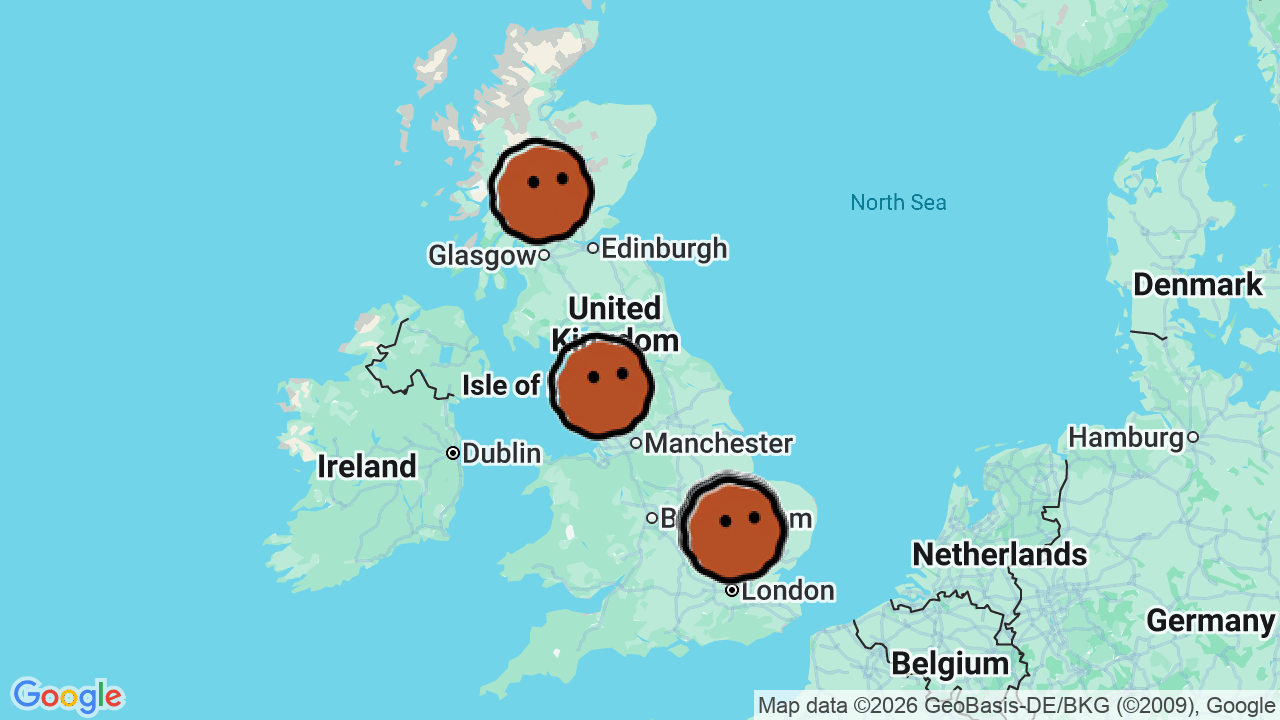
Left Bank has reopened on Gibson Street as a late-night vinyl listening bar in Glasgow's West End. It keeps the all-day kitchen and neighborhood-bar feel, then lets the room lean further into records in the evening.
The setup is described around vinyl and a Bose sound system, with around forty people in the room rather than a large club format. Weekend selectors give it a more programmed feel, while the rest of the week works closer to a small social listening bar with food and drinks.
Best for a relaxed Glasgow session where the records are part of the night's reason for being there, not just a playlist behind dinner.
Equal Parts is a Hackney Road cocktail bar with a clear interest in music and room feel. It is not a purist kissa, and that is fine: the setting is a bar first, with sound and selection doing more work than they would in a normal cocktail room.
Start with drinks and stay if the selector has the room. Music is part of the proposition here, not a decorative afterthought.
Goodbye Horses is a De Beauvoir Town wine bar with a music-first temperament tucked into a neighbourhood restaurant format. The room is softer and more grown-up than a record bar trying to announce itself.
It is a place for a proper glass, dinner, and attentive selections, rather than a technical showcase. The music sits inside the rhythm of the room without turning into wallpaper.
Nine Lives is a low-lit Bermondsey basement bar that blends serious cocktails with a custom high-fidelity sound setup. It is not a purist, hush-everyone-down kind of listening room; it is more of a neighbourhood cocktail bar where the music is curated properly and given room to breathe. That makes it useful for the directory because it shows the more sociable London version of the listening bar: good drinks, good sound, and no feeling that you’ve wandered into a vinyl monastery.
A sake-focused listening bar inside the OWO hotel with cork-layered design.
A low-lit, minimalist Soho haven created by Mia Architecture.
Embed this list
Paste this into your blog. Most editors also accept the plain list URL on its own line.